
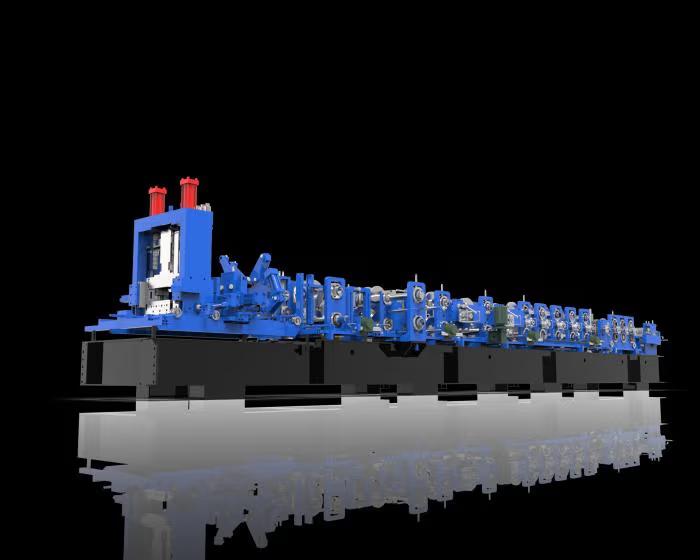
As the construction industry continues to evolve, steel framing manufacturing is experiencing significant changes driven by technology, efficiency, and sustainability. Manufacturers are adopting new production methods to meet growing demand for high-quality framing systems while improving productivity and reducing waste.
Modern steel framing production relies on advanced equipment, automation, and innovative design processes. Supported by custom framing tools and custom machinery solutions, manufacturers are better equipped to deliver precise framing components for a wide range of construction projects.
The Evolution of Steel Framing Manufacturing
Steel framing has become a popular choice for residential, commercial, and industrial construction due to its strength, durability, and design flexibility. As project requirements become more complex, manufacturers are investing in technologies that improve efficiency and support customized production.
The industry is also responding to increased demand for faster construction timelines and sustainable building practices. These factors are driving the adoption of modern manufacturing solutions across the steel framing sector.
Key Trends Influencing the Industry
Increased Automation
Automation is helping manufacturers improve production speed and accuracy. Advanced machinery can perform multiple processes with minimal manual intervention, increasing overall efficiency.
Smart Manufacturing Technologies
Digital monitoring systems and data-driven production tools allow manufacturers to track performance, identify issues, and optimize operations in real time.
Sustainable Production Practices
Manufacturers are focusing on reducing material waste and improving resource efficiency to support environmentally responsible construction projects.
Greater Customization
Demand for specialized building designs is increasing the need for flexible production systems and advanced custom framing tools that can accommodate unique project requirements.
Improved Production Efficiency
Modern equipment and streamlined workflows help manufacturers increase output while maintaining consistent product quality.
Steel framing systems are widely used in:
- Residential construction
- Commercial buildings
- Industrial facilities
- Educational institutions
- Healthcare facilities
- Warehouses and storage structures
- Infrastructure projects
This broad range of applications continues to drive innovation within the industry.
The Role of Advanced Machinery
The future of steel framing manufacturing depends heavily on advanced production equipment. Modern custom machinery solutions help manufacturers improve precision, reduce downtime, and increase production flexibility.
These systems can support a variety of framing profiles and project specifications while maintaining consistent quality standards. As technology continues to advance, machinery will play an even greater role in improving manufacturing performance.
Choosing the Right Manufacturing Approach
When investing in steel framing production, manufacturers should consider automation capabilities, production capacity, equipment reliability, and long-term scalability. A well-planned manufacturing strategy can help businesses remain competitive in a rapidly changing market.
Companies that combine advanced machinery with effective production management are often better positioned to meet future industry demands.
Conclusion
The steel framing manufacturing industry is undergoing significant transformation as new technologies and market demands shape the future of production. Automation, sustainability, customization, and efficiency are becoming key priorities for manufacturers worldwide.
Whether utilizing advanced custom framing tools or investing in innovative custom machinery solutions, manufacturers can benefit from the latest industry trends while improving productivity, quality, and long-term growth opportunities.